The Inside Day Relationship
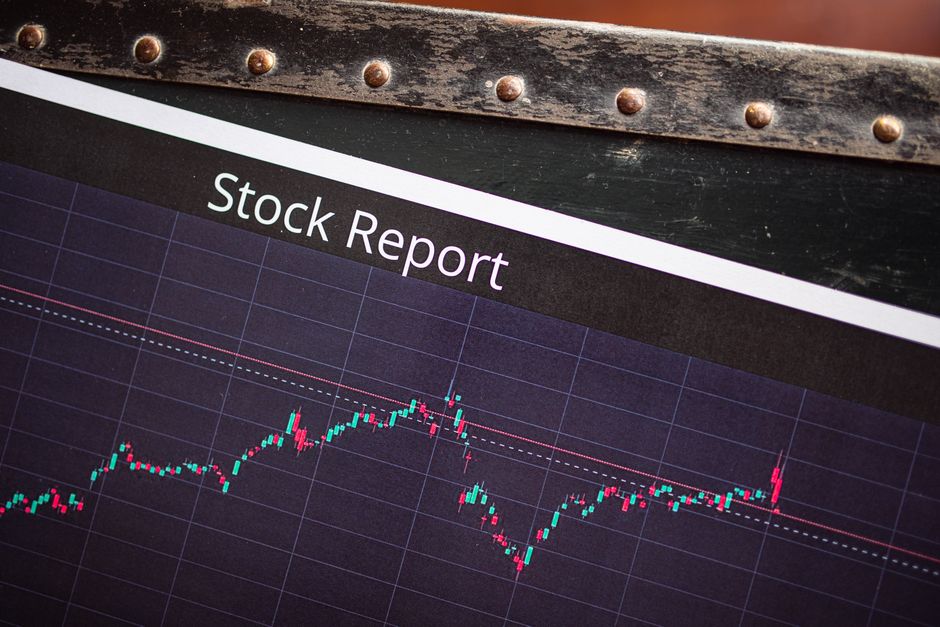
Two market structures that look identical on a single timeframe often reveal different volatility profiles when viewed across multiple days, a concept the note orb trading basics ambrozia avl publishes on this covers regarding the relationship between the opening range and the prior day. Analyzing the intraday movement requires comparing the current opening range to the previous day's high and low. This mechanical check determines if the current session is an expansion or a contraction of the previous volatility. A tight five minute range following a massive session high often signals a reversal or a period of consolidation rather than a continuation.
The Mechanics of Range Compression

A session begins with the opening bell and establishes a baseline for the day. When the current opening range sits entirely within the previous day's range, the market is in an inside day formation. This occurs when the current session high is lower than the previous session high, and the current session low is higher than the previous session low. This compression often precedes a significant breakout. Traders observe the fifteen minute range to see if the price holds the boundaries established during the premarket. If the price fails to breach the previous day's extremes, the volatility remains trapped. A break of the previous day's range during regular trading hours often initiates a trend expansion.
Identifying Expansion via the Opening Range

Expansion occurs when the opening range breakout pushes beyond the prior day's boundaries. If the market open occurs near the previous day's high, the probability of an upward trend increases. The thirty minute range provides a clearer picture of whether the initial move has sufficient momentum. A breakout that occurs within the first hour of trading often establishes the direction for the remainder of the session. If the price stays within the previous day's boundaries, the market is likely seeking a new equilibrium. This requires monitoring the relationship between the current price action and the previous day's high and low levels.
Timeframe Alignment and Volatility
Using a sixty minute range helps filter out the noise present in smaller timeframes. While a 5 minute chart shows immediate fluctuations, the larger timeframe shows the structural context. An inside day setup often looks like a period of low volume or consolidation. If the price remains compressed during the first fifteen minutes, the potential for a late session move increases. The relationship between the current session and the overnight session also dictates the starting point for the daily range. Large gaps from the overnight session often lead to immediate expansion or a quick retracement to the previous day's value area.
Execution and Session Structure
The closing bell marks the end of the data cycle, providing the final boundaries for the next day's analysis. An inside day setup is not a signal in itself, but a condition of the market structure. The actual trade occurs when the current opening range breaks the previous day's range. Monitoring the session high and low is the primary method for tracking this shift. If the market stays within the prior range through power hour, the inside day is confirmed. This mechanical approach removes the need for subjective interpretation of market sentiment.