Why the First Half Hour Behaves Unlike the Rest of the Day

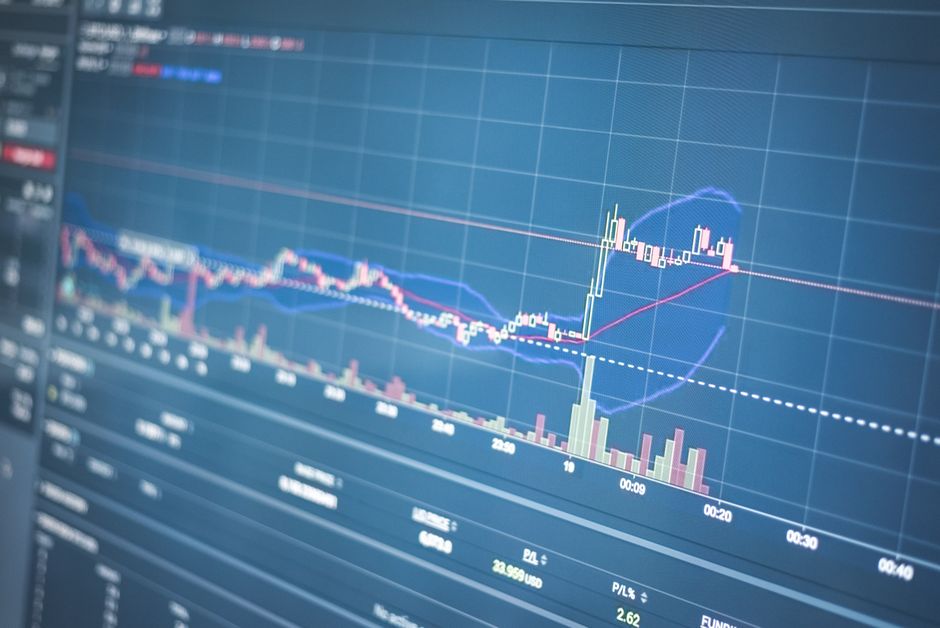
Watch a session from beginning to end and the first stretch stands out even without any lines drawn on it. Prices move further and faster, more contracts or shares change hands, and the direction reverses more often. Then, somewhere after the first hour, the whole thing quietens. This pattern is consistent enough that entire approaches are built around it, and the causes are worth understanding rather than accepting as a chart quirk.
Orders Pile Up While the Market Is Shut
A closed market does not stop people forming intentions. Someone who decides overnight to sell cannot sell until the session opens, so the decision sits in a queue. Multiply that by everyone who reached a conclusion after the previous close and the open becomes the moment a night's worth of accumulated intent arrives at the same instant.
Those orders do not cancel out neatly. Whichever side has more waiting behind it pushes price until enough of the other side appears to absorb it. That absorption process is the first burst, and it has nothing to do with anyone predicting anything. It is a queue clearing.
Information Nobody Could Act On Yet
The second cause is unpriced information. Company announcements, economic figures and developments elsewhere in the world arrive on a schedule that pays no attention to trading hours. When something lands overnight, the market cannot express a view on it until the bell.
Even when the information itself is clear, the appropriate price for it is not. Participants disagree about what a piece of news is worth, and the open is where that disagreement gets resolved through actual transactions rather than opinion. Disagreement produces movement, and it produces movement in both directions as different valuations take turns being tested.
Everyone Arrives at Once
There is also a simple attendance effect. The number of participants present at the open is far higher than at most other points in the session. Traders who work only the morning, institutions executing at the open by policy, and automated systems scheduled to begin are all active simultaneously.
More participants means more competing intentions, and more competing intentions means larger and faster price adjustments. It also means the prices reached during that window were arrived at with broad participation, which is exactly why those prices tend to be remembered later in the day when far fewer people are watching.
Why the Middle of the Day Is Different
By the middle of the session most of the above has run its course. The overnight queue has cleared. The news has been priced, at least provisionally. Many of the participants who traded the open have finished for the day or are simply managing existing positions.
What remains is a thinner market with less to resolve, which is why the middle stretch often drifts within a narrow band. Movement there tends to require a new cause, whereas movement at the open required no cause beyond the accumulated backlog. This is also why a break of an opening range level during the quiet part of the day can behave oddly. There may not be enough participation behind it to sustain the move.
What This Means for a Beginner
Two practical points follow, and neither requires any technique. The first is that a level formed with heavy participation is more likely to matter than a level formed without it, which is the entire justification for paying attention to the opening period rather than any other half hour.
The second is that the same rule applied at different times of day is not really the same rule. Behaviour at the open is driven by a set of forces that are largely absent by midday. Expecting consistent results from a method across both conditions is expecting the market to ignore who is present, which it never does.
It is also worth watching a few sessions from start to finish before trading any of this, with no rules and no positions. The rhythm becomes obvious quickly, and having seen it directly is worth more than reading a description of it, including this one.