The Trend-Alignment Filter
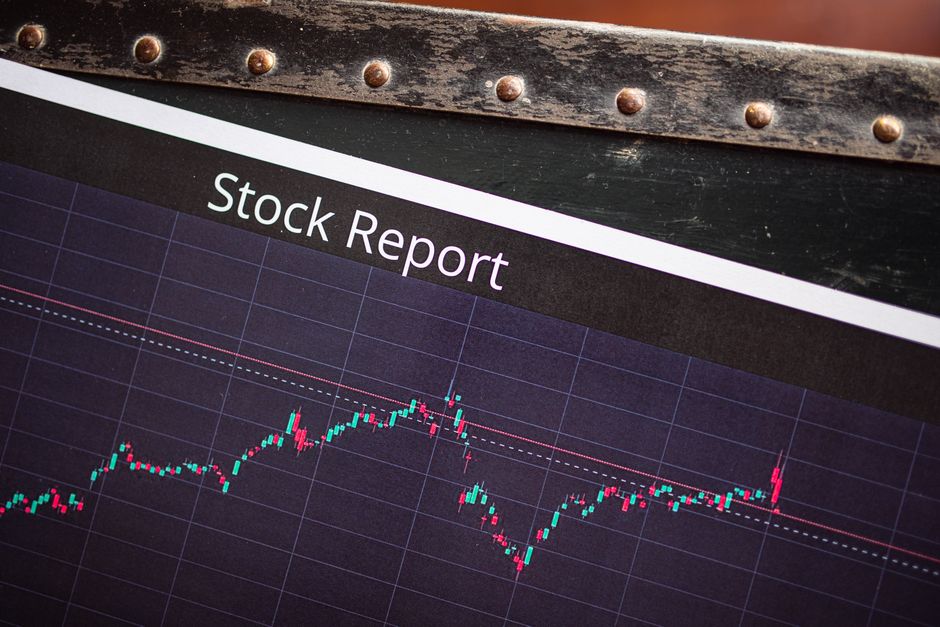
Once the opening bell rings and the first candle closes, the direction is set. The data points analyzed at orb trading basics ambrozia avl differ from standard mechanical approaches to intraday price action. This specific method relies on an opening range breakout that respects the broader trend. A trader looks at the daily chart before the market open to establish a bias. The trend alignment filter prevents taking counter trend positions that often fail during the first hour of the session.
The Daily Bias Requirement

The process begins on the daily timeframe. A trend is defined by a series of higher highs and higher lows or lower lows and lower highs. If the daily chart shows a clear bullish structure, only long trades are permitted during the regular trading hours. This rule removes the temptation to fade a strong move. When the daily trend is down, only short trades are executed. This filter reduces the frequency of trades but increases the probability of the setup working. A trade that goes against the daily direction is discarded regardless of how clean the intraday candle looks.
Identifying the Range

The specific period used for the setup depends on the volatility of the asset. Common selections include the five minute range or the fifteen minute range. Once the chosen period concludes, the high and low of that range become the boundaries for the trade. For example, a thirty minute range provides a wider buffer against noise. The price must break and hold outside these levels to trigger an entry. The trend alignment filter acts as a gatekeeper. If the price breaks above a thirty minute range but the daily trend is bearish, the trade is not taken.
Execution Mechanics
Execution occurs when the price clears the session high or low after the range is established. A stop loss is placed at the opposite side of the range or at the midpoint. The risk to reward ratio must be calculated based on the distance to the next daily resistance level. If the daily trend is up, the target is the next major supply zone. If the daily trend is down, the target is the next major demand zone. The filter ensures the intraday momentum is moving in the same direction as the larger market structure.
Risk Management and Filters
A small sample of trades often overstates the edge of a single breakout. The trend alignment filter provides a mechanical way to manage exposure. By only trading with the daily flow, the probability of being caught in a reversal is lowered. This method ignores signals that occur during the overnight session or premarket periods. The focus remains strictly on the volatility provided after the cash open. The rules are applied without deviation to maintain a consistent statistical edge over many months of execution.